

Transitional measures, additional information, recommendations and considerations from the Uppsala Report regarding changes recommended for taking CEC forward.
The Uppsala Report, a paper on proposed transitional measures for CEC, underlines the renewal of CEC as both simple and complex...
CALL – the Church Action on Labour and Life network – has sent out a questionnaire on the crisis in Europe to its members. The CALL Working Group on Sustainable Economy would like to produce an overview of the responses of churches in Europe. What is the analysis of the crises from the churches? How do they perceive the social and economic impact of the crises? What is their theological perception of the current situation in Europe? What solutions do they offer? If you are interested in the questionnaire and wish to contribute, please complete the questionnaire which can be downloaded here.
************
Official presentation of the Human Rights Training Manual Serbian Academy of Science in Novi Sad - Serbia, 5 June 2013
Speakers H G Bishop Irinej Bulovic - Serbian Orthodox Church, Diocese of Backa Mr Henri Bohnet - Head of the Konrad Adenauer Stiftung offices in Serbia and Montenegro Ms Mag Elizabeta Kitanovic - Executive Secretary for Human Rights - Church and Society Commission of CEC
Moderator Mr Davor Salom - Jewish Community in Serbia
After one month there is still no knowledge of the whereabouts of Archbishops Mar Gregorios Yohanna Ibrahim Metropolitan of the Syriac Orthodox Archdiocese of Aleppo, and Boulos Yazaji Metropolitan of the Greek Orthodox Archdiocese of Aleppo...
************
Out Now
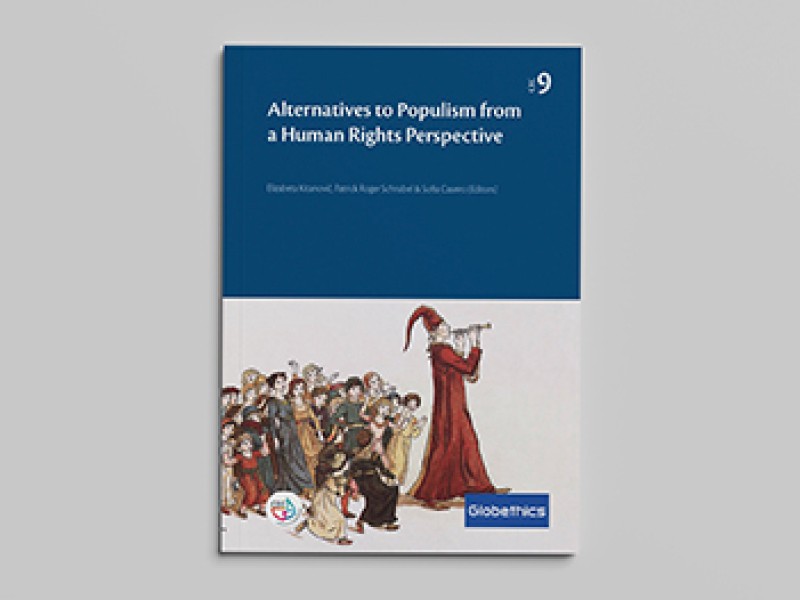
Being Christian Citizens: What does it mean for European Society? Annual Report 2012
The Church and Society Commission of CEC is very grateful to KAS for having made this possible.
************
CEC- CCME calls to commemorate Persons dying on their way to seek safety
The Assembly of the Conference of European Churches held in Lyon in July 2009 called on churches to “to commemorate those who have died on their journey to find a dignified life in Europe through an annual day of prayer.” In the past years, many churches and parishes across Europe have taken up this call and held commemoration services around the 20 June, International Refugee Day. This year we wish to recommend holding services of commemoration on 16 or 23 June, the Sunday before or after the International Refugee Day 20 June.
The European Year of Citizens 2013 has been the main theme of the annual plenary meeting of the Church and Society Commission of the Conference of European Churches (CSC) that took place in Brussels from 18-20 April. Carsten Lietz, member of the cabinet of Commissioner Reding introduced the activities and the background of the Year that has been declared by the EU.
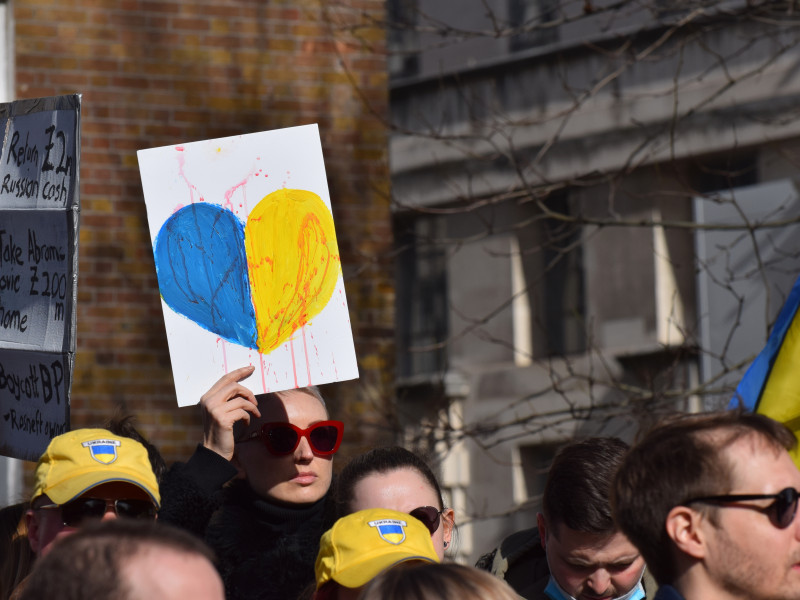
To date, over 620,000 refugees have fled to neighbouring countries and North Africa to escape the bloody conflict that has so far left at least 60,000 people dead, according to United Nations figures. At least two million others in Syria have been displaced from their homes. Civilians in Syria are bearing the brunt of violations of...read more
************
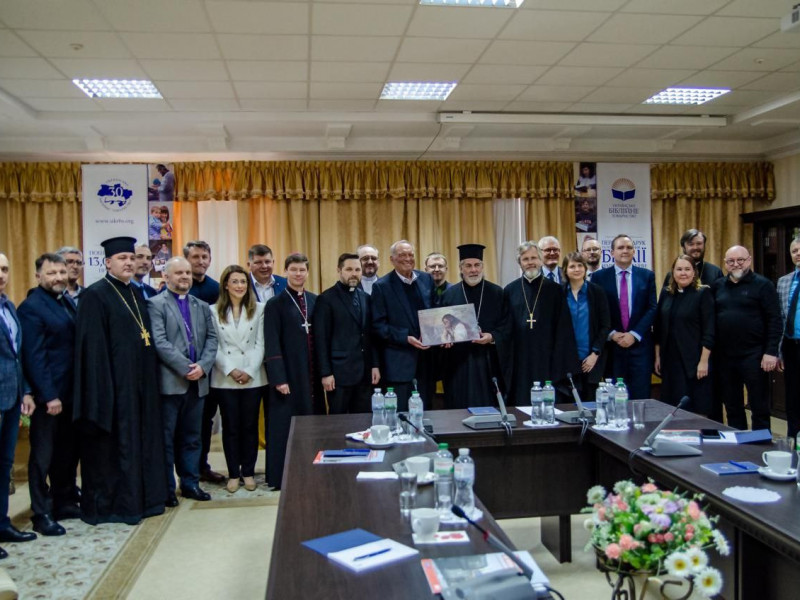
Members of the CCEE/CEC Joint Committee, Warsaw, Poland, 4-6 February 2013 (Photos: CCEE/CEC)
Final communiqué issued at the end of the Joint Committee of the Council of European Bishops’ Conferences (CCEE) and the Conference of European Churches (CEC).
From 4-6 February 2013 a meeting took place in Warsaw, Poland, of the Joint Committee of CCEE and CEC on the theme "Faith and Religion in a changing Europe. New Christian Movements in Europe: Challenge or Opportunity"....
The Conference of European Churches (CEC) is a fellowship of some 120 Orthodox, Protestant, Anglican and Old Catholic Churches along with 40 associated organisations from all countries on the European continent. CEC was founded in 1959 and has offices in Geneva, Brussels and Strasbourg.
Christians from different confessions are committed to live and witness together in a spirit of ecumenism, sharing, understanding and mutual respect. All are committed in spite of the historic divides, the many languages and the geographical and economic barriers which exist on the European continent. Together, the churches work to promote the unity of the church and to present a common Christian witness to the people and institutions of Europe. The common desire to live in peace and to promote justice and reconciliation has enabled the churches to maintain their fellowship for the 50 years of the CEC's existence.